
Transformative Experiences. Exceptional Education.
Undergraduate Studies is here to help you build an exceptional educational experience. Through our programs and resources you can find your learning communities, build your knowledge and skills, achieve your impact, and begin your transformation.
Mission of Office of Undergraduate Studies (US)
From admission to graduation, the units of the Office of Undergraduate Studies at the University of Utah provide every student with an exceptional educational experience that empowers them to lead transformational lives wherever their educational and professional futures take them.
Students: Your possibilities are immense. The U’s curriculum provides every student with a wide range of fields engaging the most exciting, challenging, and essential topics to enable you to live transformational lives. The innovative pathways and programs of undergraduate education at the U seek to bring the world into your classroom, engage you with peers and mentors, create shared moments of belonging you won’t find in traditional classes or at other universities, and prepare you to lead impactful lives for Utah, the nation, and the world. Our commitment is to your success and sharing transformative experiences and an exceptional education you’ll value the rest of your life.
Faculty:Your passion, expertise, and commitment to student success make exceptional education happen. US cultivates intentional partnerships between faculty and undergraduate students—through research, mentorship, and teaching—to enhance transformative experiences for students and faculty within and beyond the classroom environment.
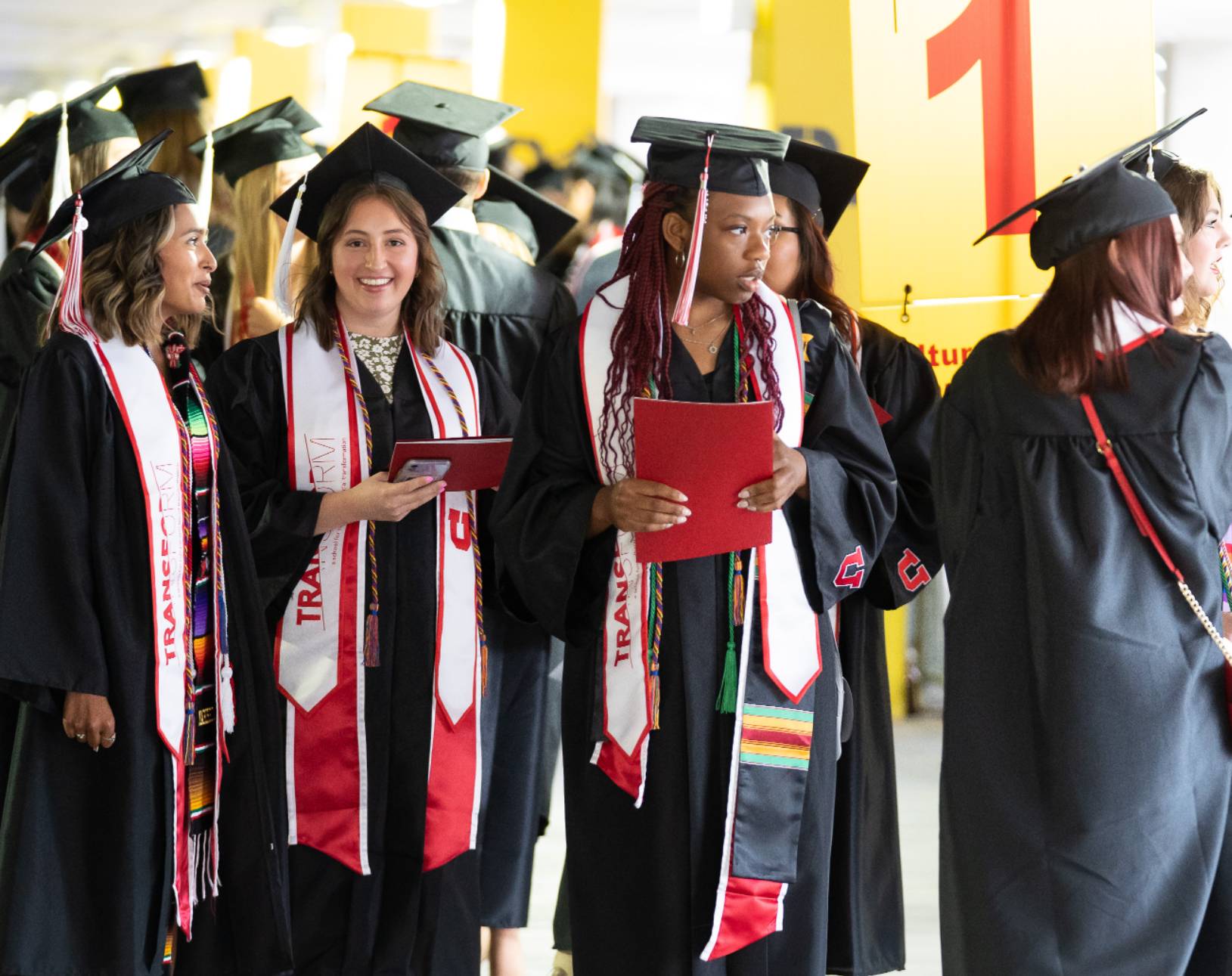
CORE COMMITMENTS
-
We believe in the power of innovation to transform the University of Utah into a student-centered organization, one that works for every student—from orientation to completion and beyond.
-
First-year retention at the University of Utah should reflect those of our peer/aspirant institutions; for the U, this means elevating the 89% first-year retention rate to 95% over the next 5 years.
-
Completion rates at the U should similarly be comparable to our peers/aspirants; this will mean moving, at first, the six-year completion rate from 66.8% to higher than 80% over the next 5 years.
-
A leading public research university supports its undergraduate population through holistic student programming and clear, consistent degree pathways.
-
A data-informed approach to student success and undergraduate education promotes strategic decision-making, outcomes-based solutions, and timely, preemptive interventions.
-
Providing tailored, holistic support for all students, especially low-income, part-time, transfer, and low-preparedness undergraduates will improve experiences and student success metrics.
-
Supporting faculty and staff with resources and funding to provide an exceptional education experience for all students not only improves student success metrics, it also enhances the institution’s culture and ability to retain exceptional faculty and staff.
News and Updates
-
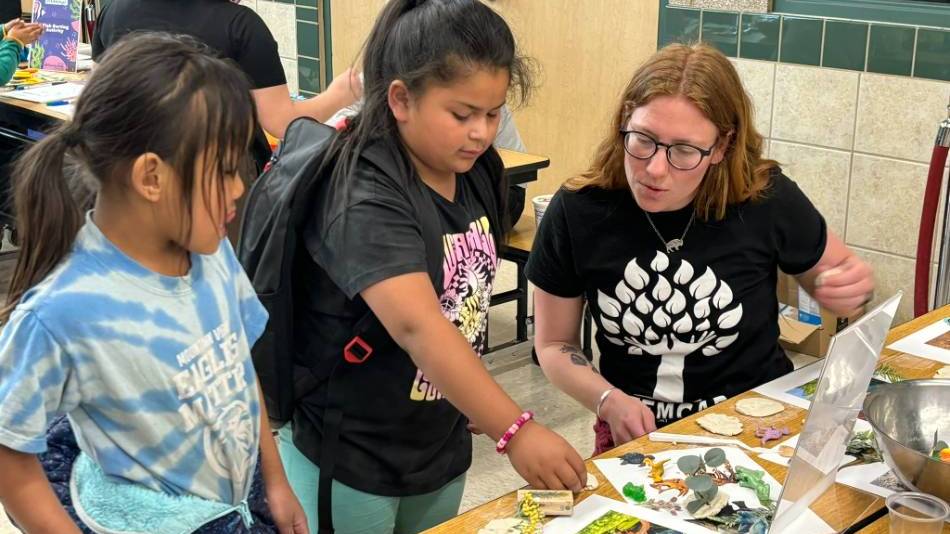
Full STEAM Ahead for Science & Arts Education in Partnership with Mt. View Elementary School
On March 28, the University of Utah’s Education Pathways program based at the Glendale-Mountain View Community Learning Center proudly supported the successful launch of Mountain View Elementary School's inaugural STEAM Fair night. The aim of this event was to introduce math, science, technology, arts and engineering concepts to students while igniting and reinforcing their curiosity and passion for learning.
-
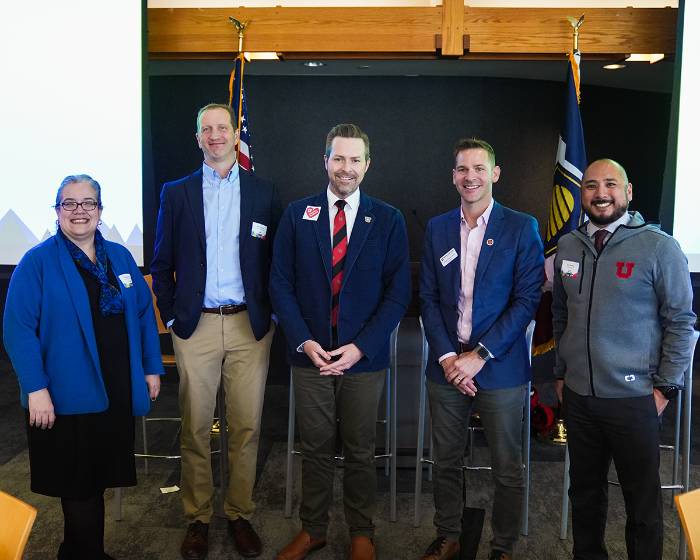
2024 Transfer Summit
The University of Utah in collaboration with Salt Lake Community College (SLCC) held the 2024 Transfer Summit in March. The event took place at the SLCC Taylorsville campus, where students and faculty from both institutions joined in learning and providing insights about the transfer process. Highlights of the event included a word from both institutions' presidents Taylor Randall and Dennece Huftalin, intriguing panels from senior leaders and students, and various breakout sessions filled with information on all things transfer student support.
-
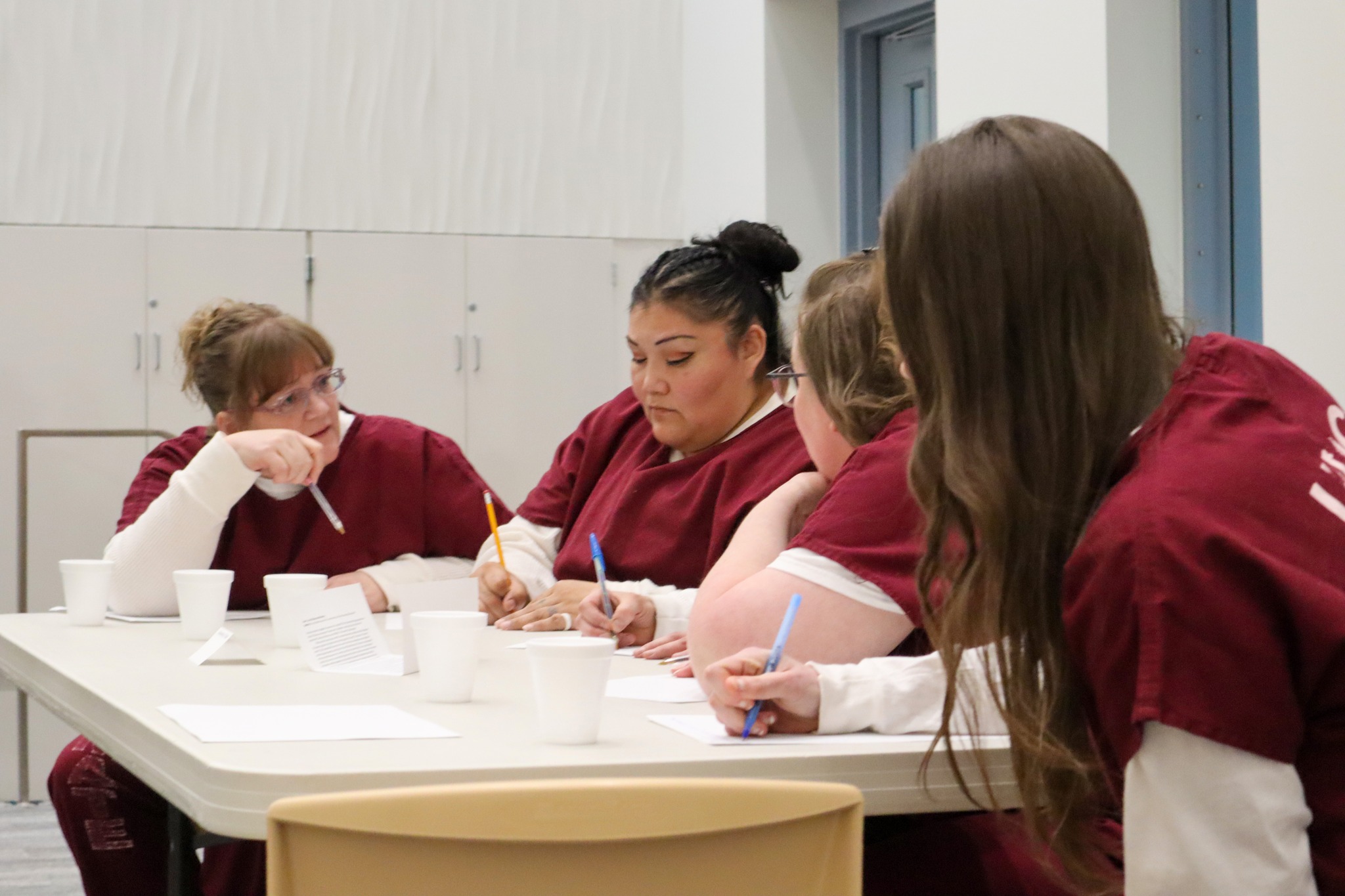
Utah Prison Education Project partners with BYU
The University of Utah Prison Education Project, known as UPEP, is partnering with BYU to bring more education opportunities to BYU students and incarcerated students.
-

University of Utah Administrators Awarded NWCCU Fellowship for Advancing Accreditation Excellence
The University of Utah is proud to announce that Mark St. Andre, associate dean of Undergraduate Studies, and Paula Spencer, program review administrator in the Graduate School, have received the Fulfillment and Sustainability Fellowship from the Northwest Commission on Colleges and Universities (NWCCU).



